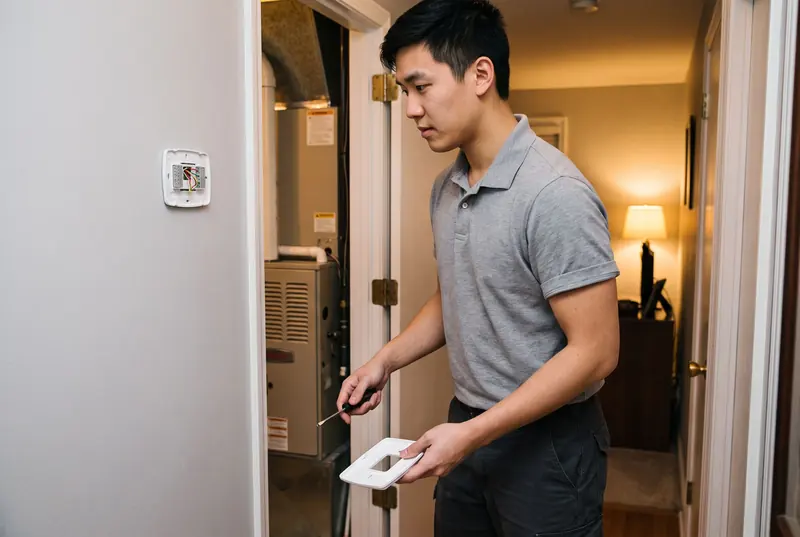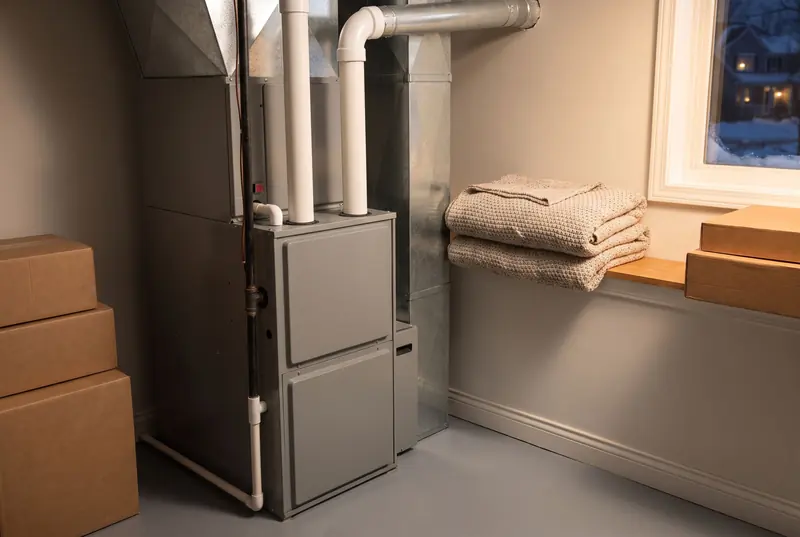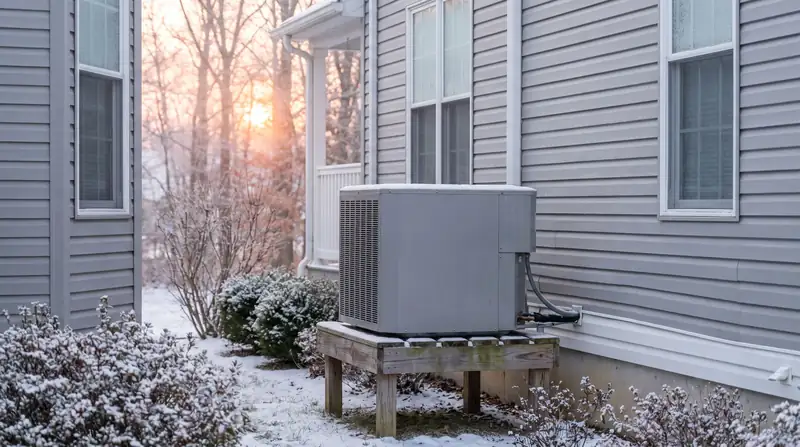

When the heat goes out in Chandler, AZ, the clock starts running, and the diagnosis depends entirely on what kind of system is doing the failing. On a gas furnace, the most common no-heat call we run is a flame sensor coated in oxide: the burners light, the sensor cannot prove the flame, and the board shuts the gas down three tries later and locks out. Close behind come cracked hot surface igniters, stuck pressure switches, clogged condensate traps on high-efficiency models, and blower motors that have quietly worn out. Heat pumps fail differently: a weak defrost cycle leaves the outdoor coil armored in ice, a failed reversing valve strands the system in cooling, and a dead outdoor unit leaves the electric backup strips carrying the whole house at several times the operating cost.
The repair homeowners call us about most is Furnace Repair. If something has stopped working, start there.
Warning Signs for Heating Repair
Spotting the early warning signs lets you act before the problem gets expensive. Here are the most common indicators that it's time to call a professional:
- Cold rooms in one part of the house while others are comfortable
- The thermostat calls for heat but the vents blow cold air or nothing
- Booming or banging at ignition, a sign of delayed burner light-off
- Energy costs climbing even though the house feels colder
- The furnace clicking and trying to light but shutting back down
- Thick ice or frost covering the heat pump outside
- Burning, musty, or rotten-egg odors when the heat runs
- The system starting and stopping every few minutes without warming the house
Early Action Saves Money
Most HVAC failures start small, a weak capacitor, a squealing blower, a system that runs a little longer each week. At the first hint of a problem, call (602) 835-7309 for a fast inspection.